Canadian Theatre Encyclopedia

Peterson, Eric
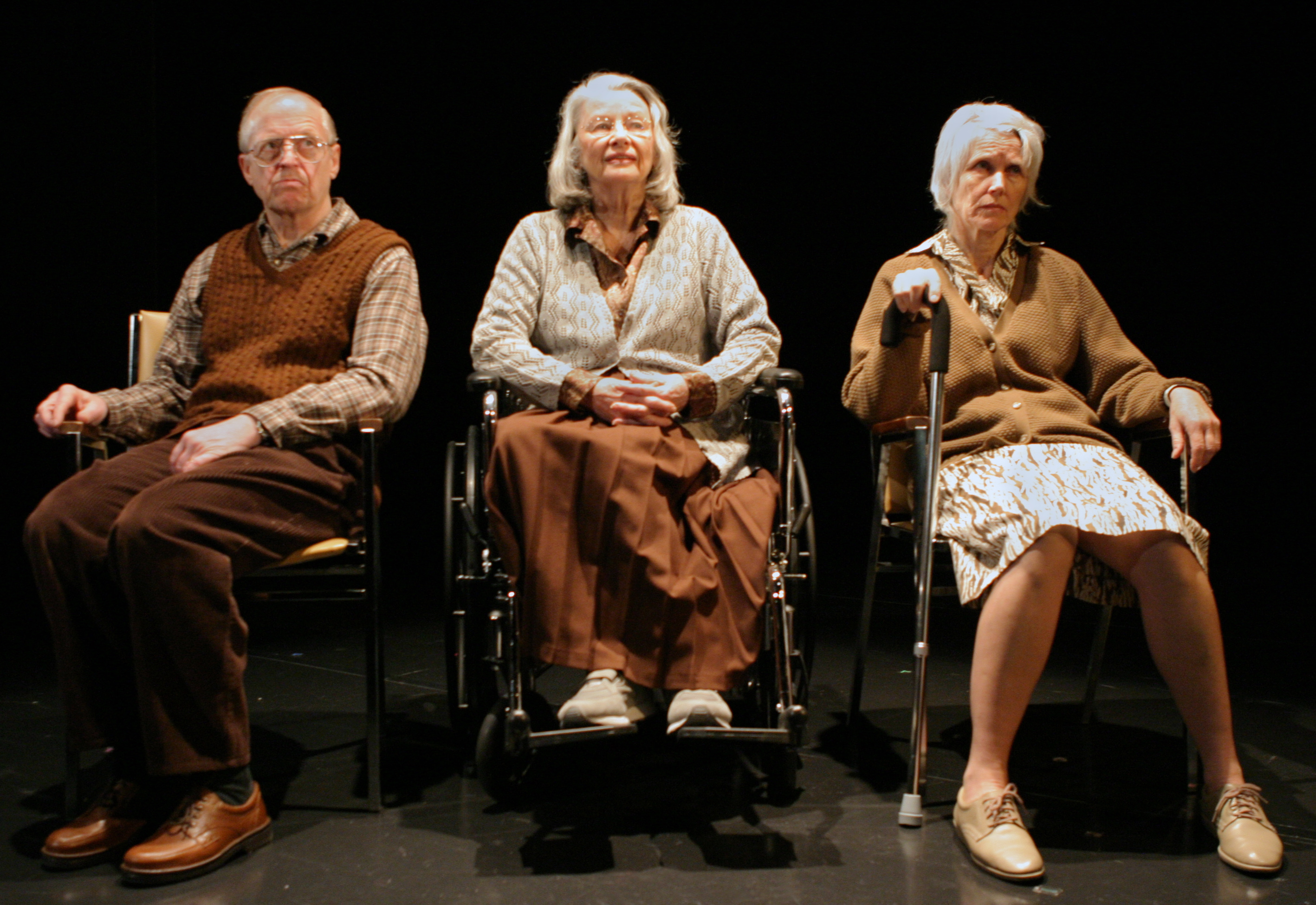
Necessary Angel Theatre Company, Toronto
Photo Credit: Cylla von Tiedemann
Versatile character actor born in Indian Head, Saskatchewan in 1946. He studied acting at the University of Saskatoon, and then in England, before moving to Vancouver, where he co-founded Tamahnous Theatre with John Gray and Larry Lillo in 1971.
He has had a diverse and successful career performing in works from Theatre Passe Muraille's 1837: The Farmers' Revolt, to Tom Cone's Herringbone at Festival Lennoxville, to the cello player in Patrick Suskind's The Double Bass at the Tarragon Theatre, to the commercial production of George F. Walker's Nothing Sacred. But he will probably always be best known for his performance in the premiere and the subsequent international tour (including a Broadway run) of Billy Bishop Goes to War. He came back to Bishop for Canadian Stage in 1998 and the National Arts Centre in 1998, and for Soulpepper Theatre Company in 2009.
In October 2000 he returned to the NAC to perform in Hysteria; and in January 2001 he appeared in David Young's Clout at the NAC. His portrayal of an 82-year-old war veteran in John Mighton's Half Life, (Necessary Angel 2005, Centaur Theatre 2008, Citadel Theatre 2008) has been critically acclaimed.
In 2011, he appeared as an ineffective politician with Sonja Smits in Jason Byrne's The Test for the Company Theatre at Berkeley Street Theatre in Toronto. In 2015, he played the father of the playwright character in The Watershed by Annabel Soutar in a Porte Parole/
Peterson has also had a solid career in film and television, notably in the CBC series Street Legal and Corner Gas, winning Gemini Awards for his acting in both.
Eric Peterson's performances are marked by an astute attention to comic detail. He has become a recognizable player in Canada's popular culture, doing the things that people in Canada watch. (Edmonton Journal 13 March 2008). He was awarded ACTRA Toronto's Excellence Prize for lifetime achievement, and in 2013, he received the Governor General's Performing Arts Award that recognizes lifetime achievement.
Profile by Gaetan Charlebois and Anne Nothof
Last updated 2021-07-22
Peterson, Len
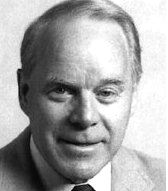
Playwright Leonard Byron Peterson was born in Regina, Saskatchewan 15 March 1917, died 28 February 2008 in Toronto. He spearheaded the formation of the Alliance of Canadian Cinema, Television and Radio Artists (ACTRA) and the Playwrights Co-op, now Playwrights Guild of Canada.
He first began to work at the CBC in the 1940s with producer Andrew Allan, writing plays for the Stage Sunday night drama series, and co-producing CBC Wednesday Night, a weekly broadcast of new Canadian and international plays.
Radio plays, broadcast live to air, include They are all Afraid (1944), which exposes office bullying of a black worker, and the circumscription of freedom in a democratic country. The more recent radio play, Harvest: Jim McCaw's Farm 1917 (1988), attacks British imperialism and the atrocity of war. In the 1940s and 50s audiences were actively listening, and as Peterson recalled, "You could get them on your tail as much as the mad trapper did." Their reactions might be expressed through howls of protest in parliament, and there were concerted efforts to suppress Peterson's more "controversial" plays.
Peterson believed strongly that the CBC has a national responsibility, and must never cater to the "hucksters." The broadcasting system should function like the railroad, holding the country together. It was thought of at one time as one of the main contributors to culture and education, but by the 1960s he believed that both had fallen by the wayside.
From the start he showed versatility - able to work in radio, TV, film, and theatre. His concern about social issues is reflected in stage plays like the absurdist Burlap Bags (1946); the mythical The Great Hunger (Toronto Arts Theatre 1960); the feminist Women in the Attic (Globe Theatre 1971, dir. Ken Kramer); and The Workingman (Toronto Workshop Productions/TWP, 1972) which celebrated the centenary of the labour movement in Canada.
He also wrote for young audiences: Almighty Voice (1970) and Billy Bishop and the Red Baron (1975) were performed at the Young People’s Theatre.
He produced over 1200 works and was awarded several ACTRA awards and a John Drainie Award for distinguished contribution to broadcasting (1974) "in a land friendlier to ragweed than to indigenous drama" (Peterson, quoted in Globe and Mail 8 Mar 2008).
His works are characterized by a their irony and strong opinion. They provoked both rage and admiration.
Further Reading: Anne Nothof. "Canadian Radio Drama in English: Prick up your Ears." Theatre History in Canada 11.1:59-70.
Profile by Anne Nothof, Athabasca University
Last updated 2014-10-24
Since October 2002, Athabasca University has hosted the web site, with an editorial board of theatre scholars from across Canada.
To submit an entry, please consult the guidelines for submissions.
Email your submission to: Anne Nothof, Professor Emerita, Athabasca University.

The Encyclopedia collects and disseminates information on plays, playwrights and theatre practitioners. It does not respond to requests for information, auditions, bookings, or tickets.
The Canadian Theatre Encyclopedia web site was originally conceived and developed in 1996 by Gaetan Charlebois—theatre critic, playwright, and actor.
